01
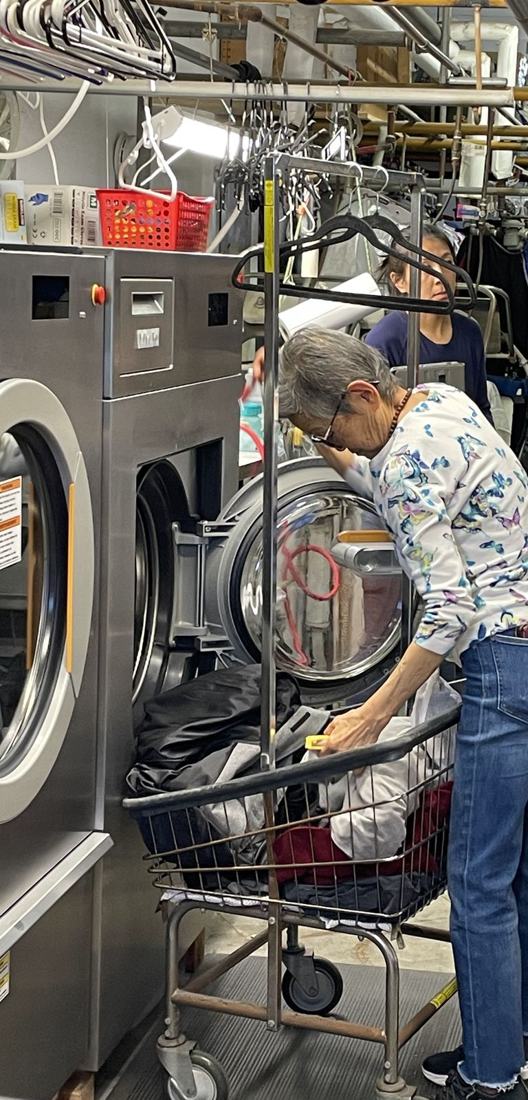
Sort and load
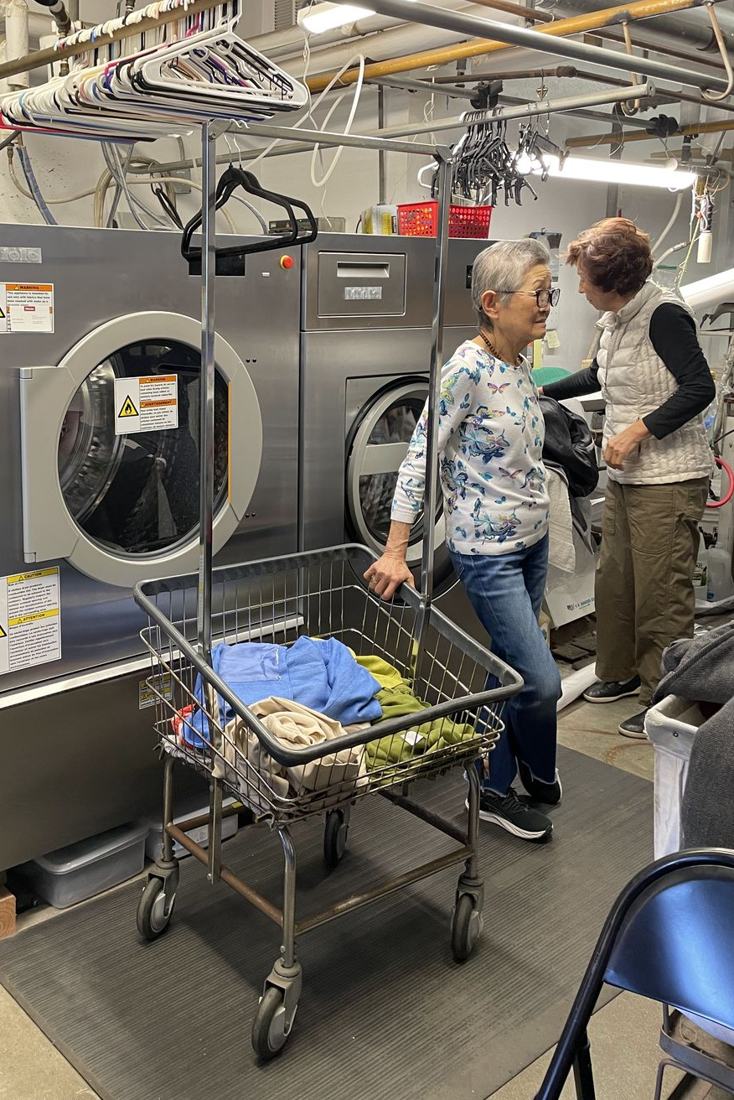
Garments are sorted by fabric and color, then loaded into a professional wetcleaning washer instead of a solvent machine.
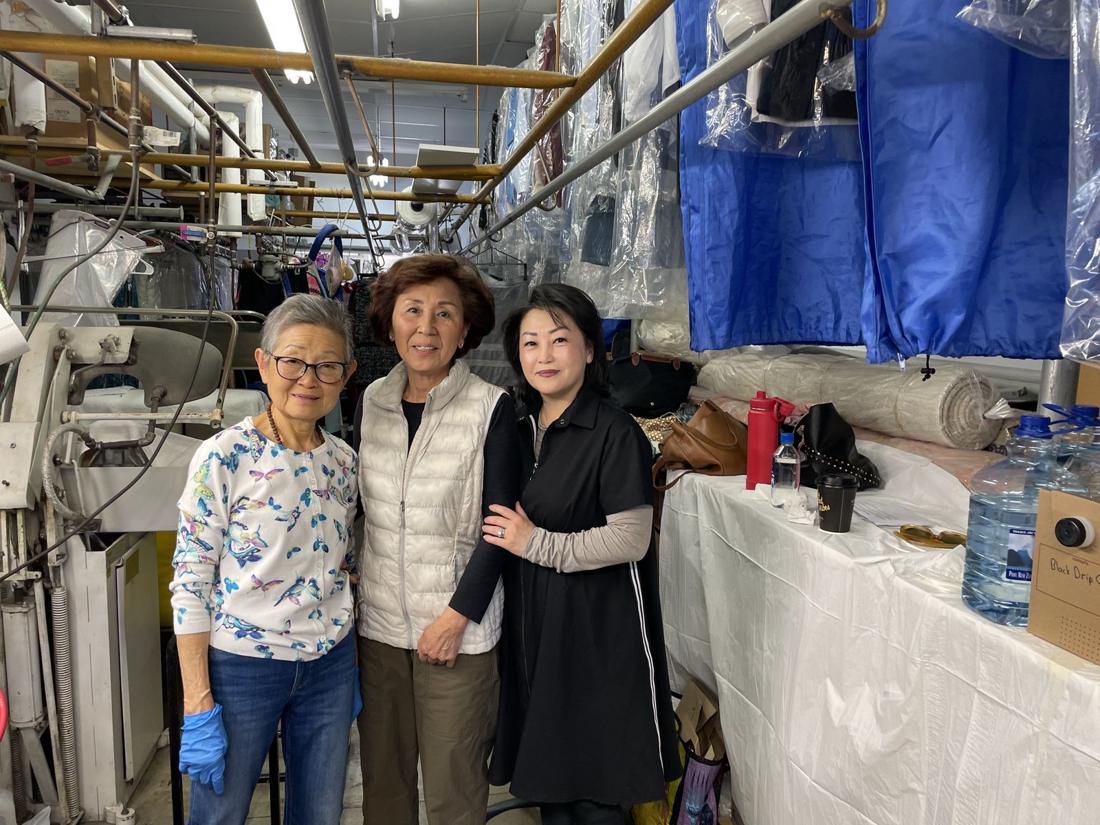
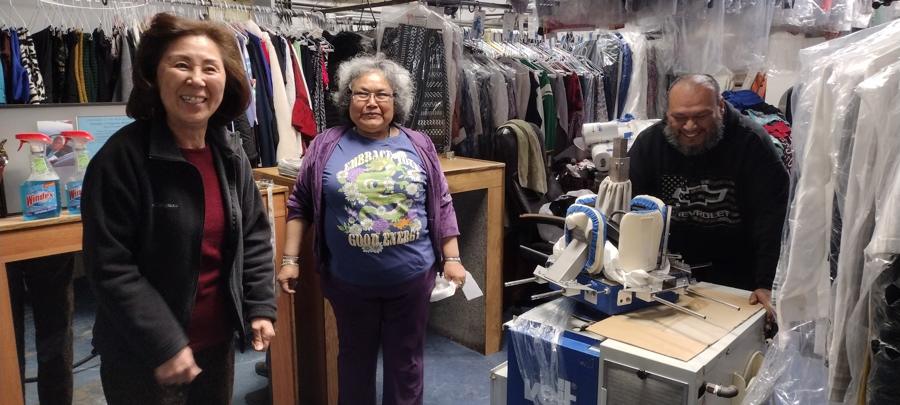
Physicians for Social Responsibility Los Angeles (PSR-LA) filmed the full professional wetcleaning process at Point Dume Cleaners in Malibu. Our officers ran every step themselves, from loading the washer to the final press, to show other cleaners that a water-based shop works.
Demonstrated by Sung Park · Suzie Sunwoo · Julianna Y. Mo
The process, scene by scene
Professional wetcleaning replaces chemical solvents with water, computer-controlled machines and biodegradable detergents and conditioners. These are the steps the crew recorded.
Garments are sorted by fabric and color, then loaded into a professional wetcleaning washer instead of a solvent machine.
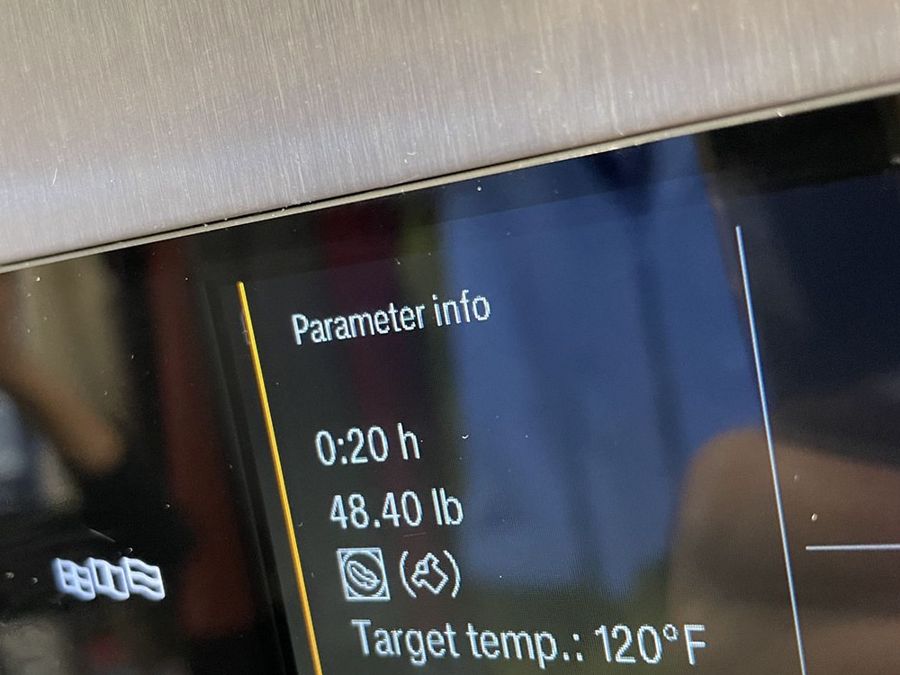
The washer runs a precise program. Its display tracks every cycle, so delicate fabrics get the right time, temperature and load.
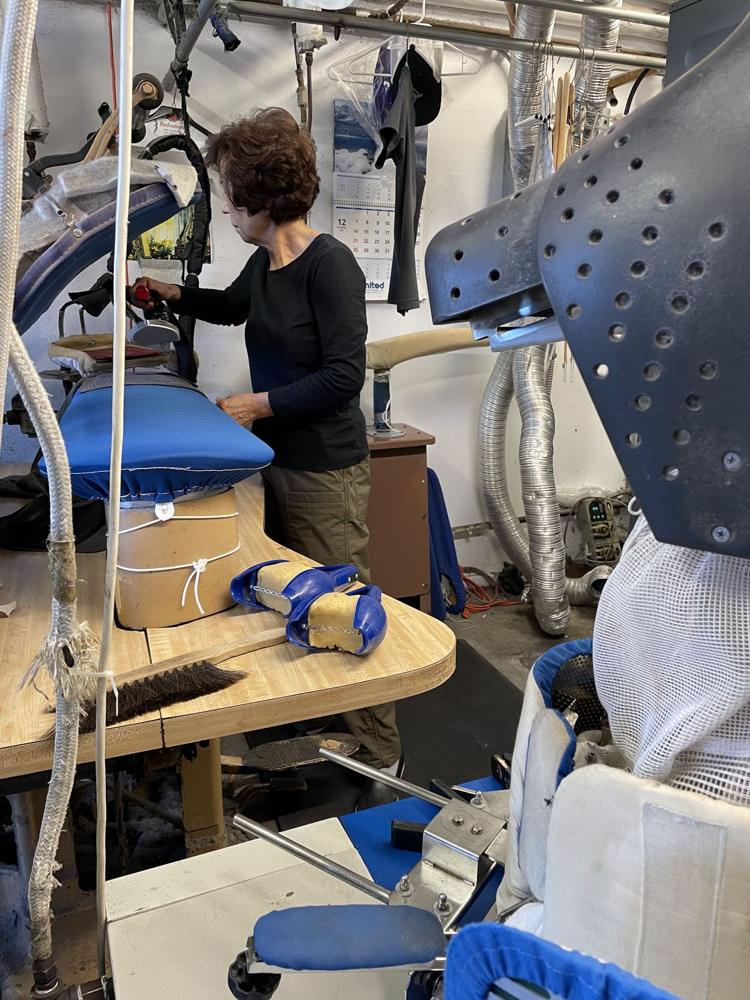
Form finishers and tensioning equipment restore each garment’s shape and size after washing.
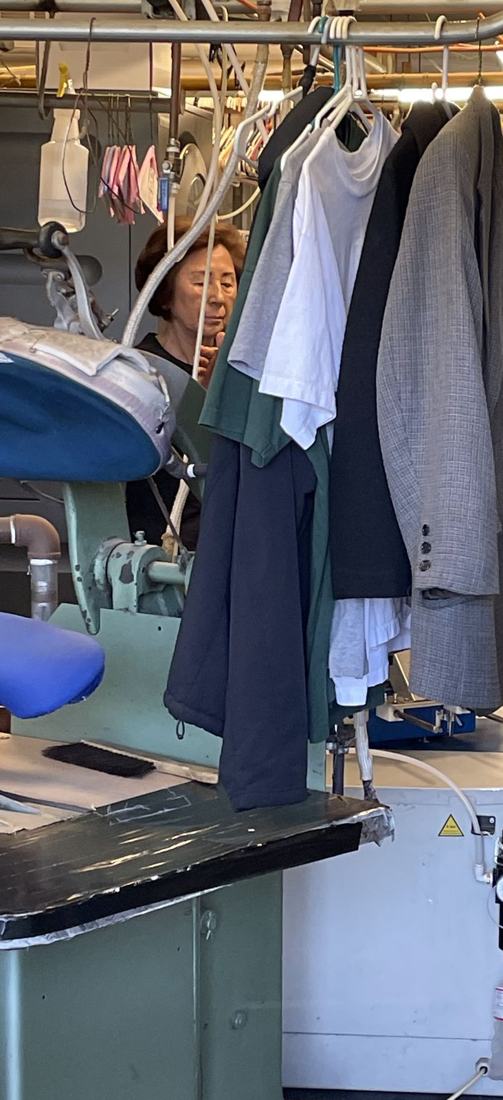
Jackets, trousers and shirts are pressed on professional finishing equipment, the same quality customers expect from any cleaner.
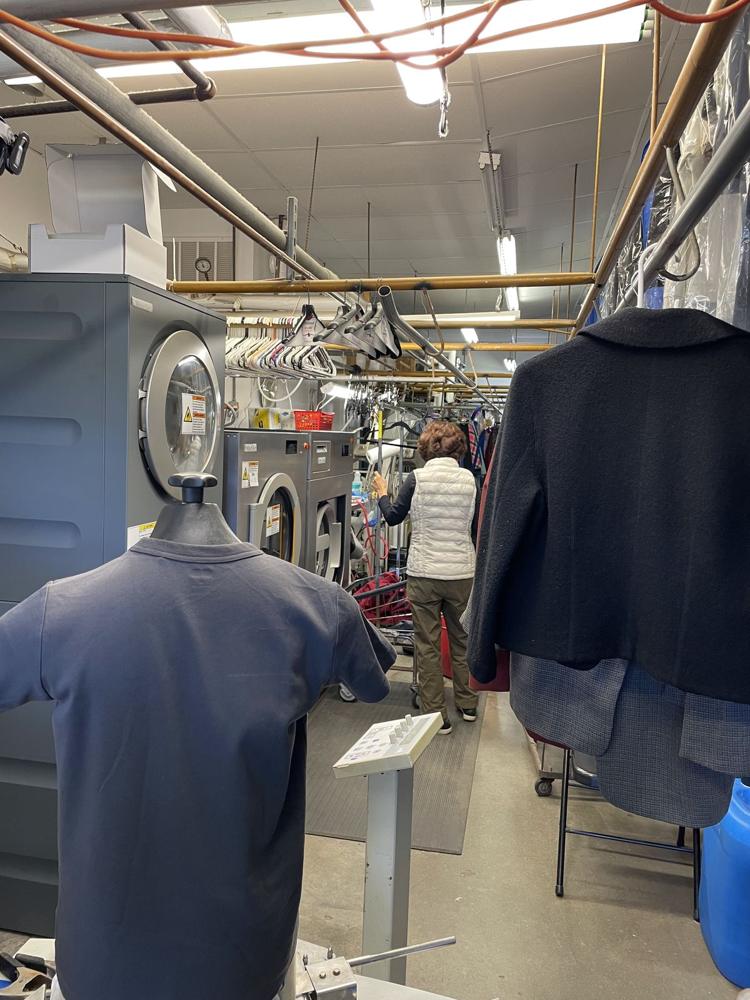
Every piece is checked before it goes on the rack. No solvent smell, no hazardous waste, and nothing to haul away.
The PSR-LA video is in production. Check back here to watch the full demonstration.
Behind the scenes
Why water-based
Perchloroethylene (perc) was the dry cleaning standard for decades. California has phased it out, and many family-owned cleaners are left with old machines and contaminated sites. Professional wetcleaning gives them a way forward.
No air quality permit needed for solvent machines.
No solvent waste to store, manifest and haul away.
No flammable solvents in the shop.
Less energy to run the plant.
Efficient, computer-controlled wash cycles.
Simpler machines with fewer costly repairs.
Equipment that lasts longer before replacement.
Only biodegradable detergents and conditioners. No perc or hydrocarbon purchases.
No solvent filters, distillation or sludge to handle.
No solvent spills, so no risk of soil or groundwater clean-up claims.
Landlords and buyers are wary of dry cleaner contamination. A wetcleaning shop is easier to lease, renew or sell.
Fewer inspections and no solvent recordkeeping or reporting.
No solvent vapors for owners and employees to breathe all day.
No solvent smell, brighter whites, and sweat and food stains come out.
A selling point for advertising and green business certification.
A shop can locate near homes, schools and other sensitive sites where solvent machines face restrictions.
Services
Our mission is to identify, evaluate, convert, educate and demonstrate the move from chemical solvents to water-based cleaning, with experienced PWC members guiding owners and operators the whole way.
We evaluate the operator’s skills and knowledge and the store location, so the shop makes the best use of what it has.
You and your operators are invited to a PWC member’s training center to see the difference for yourselves. By written appointment only, arranged through us.
Experienced operators teach owners and their staff the professional wetcleaning process. Training is paid: the operators who teach are compensated for their time.
Once an agreement is signed, we start the conversion using equipment that is readily available.
Trained owners and operators become ambassadors, showing others in the industry what they can do.
Community project, 2019–2023
In 2019 we contacted 40 dry cleaners in South Central Los Angeles, an underserved community. The owner of Monica’s Cleaners chose to adopt professional wetcleaning.
He later passed away from cancer. His widow and two sons kept the shop running on dry cleaning machines that use toxic solvents. They asked local agencies for financial help many times, but their case was never made a priority.
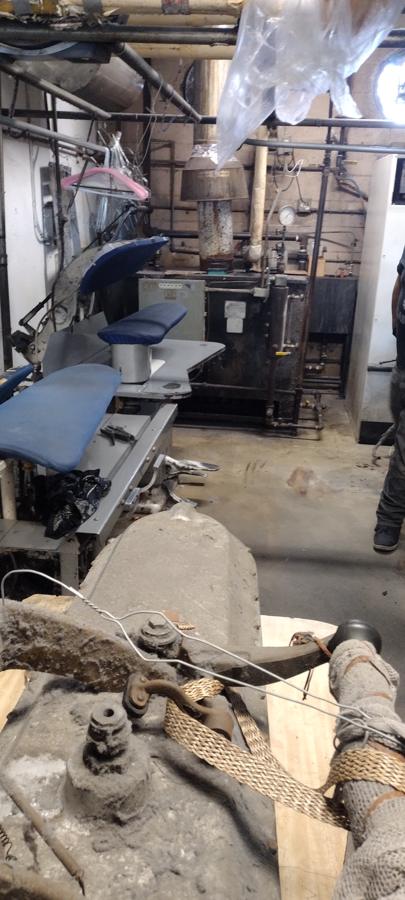
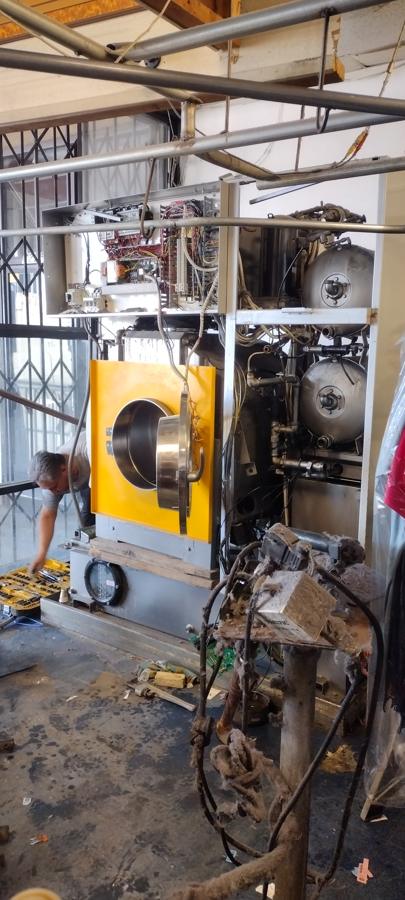
In 2023 the shop was cleaned up, the old solvent machine was removed, and Monica’s Cleaners converted to professional wetcleaning. Because the lease was in the late owner’s name, the landlord later leased the space to another business, and the shop has since closed.
In the news: Spectrum News 1, “Why professional wet cleaning could be a green dry-cleaning solution,” June 27, 2023
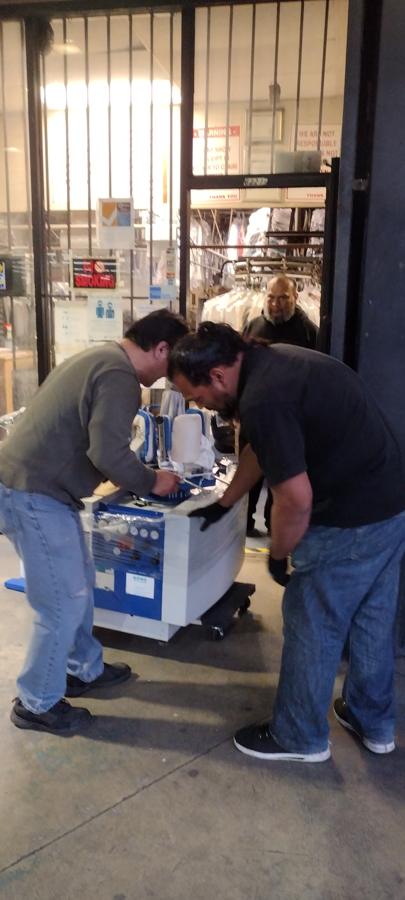
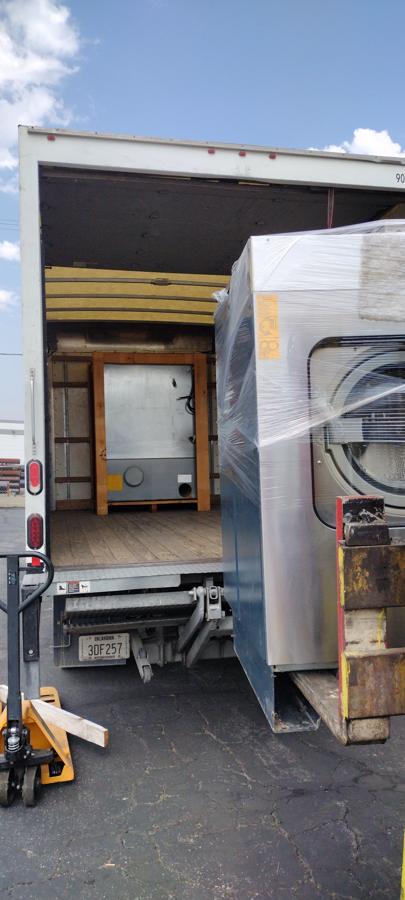
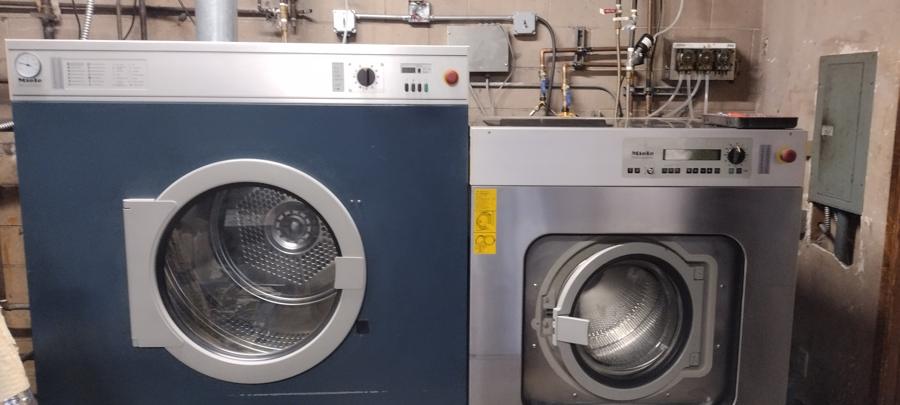
From the project, 2023
Research and news
A dry cleaning facility in Modesto, California contaminated groundwater with tetrachloroethylene (PCE). Legal disputes since 1998 have involved the companies that sold PCE to local dry cleaners. State and federal agencies found historical PCE spills at 17 Modesto dry cleaners.
Sources: The Modesto Bee, California Department of Public Health, U.S. EPA
In the 1980s, city wells detected PCE, a cancer-causing chemical associated with dry cleaning and industrial operations, in the San Luis Obispo Valley groundwater basin.
Source: Solano Public Health
In the early 1980s, two water systems at Marine Corps Base Camp Lejeune in North Carolina were found contaminated with TCE and PCE. The PCE came from an off-base dry cleaner through spills and improper disposal.
Source: National Library of Medicine
Our history
Our members have been demonstrating wetcleaning as a replacement for perc for about 30 years, shop by shop and without institutional backing.
Sung Park converted her Rancho Cucamonga perc dry cleaners to professional wetcleaning.
Members ran the wetcleaning equipment at the Toxics Use Reduction Institute (TURI) demonstration on October 14, 2007.
Answering a Request to Bid from USMC 29 Palms, a member built and ran an on-base professional wetcleaning facility, which members describe as the first of its kind at a military base.
We contacted 40 dry cleaners in South Central Los Angeles about converting.
A family-run South Los Angeles cleaner switches from solvents to professional wetcleaning, covered by Spectrum News 1.
The PSR-LA filming at Point Dume Cleaners and community air-quality work under California’s AB 617 program.
Officers

A pioneer of professional wetcleaning, Sung converted her Rancho Cucamonga perc dry cleaners to wetcleaning in 1998, the first to do so. She has since trained more than 100 successful wetcleaner owners in California, Colorado and Washington, in both civilian and military uniform care, and in 2007 demonstrated wetcleaning at TURI, University of Massachusetts Lowell. Her no-nonsense, hands-on style has earned her the nickname “the General.”
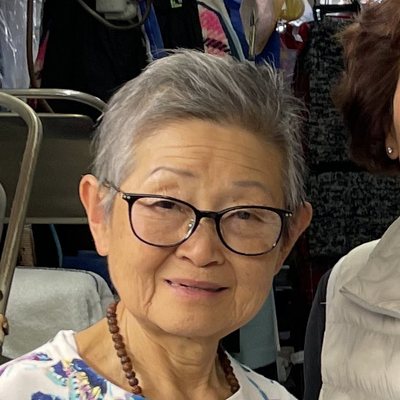
Suzie is the Treasurer and a member of the Professional Wetcleaners Association. She began her career in garment care in 1978 with a dry cleaning business. After years of waiting for a cleaner and superior method, she switched to professional wetcleaning in 2007. Suzie loves educating her customers in Malibu about the benefits of professional wetcleaning.
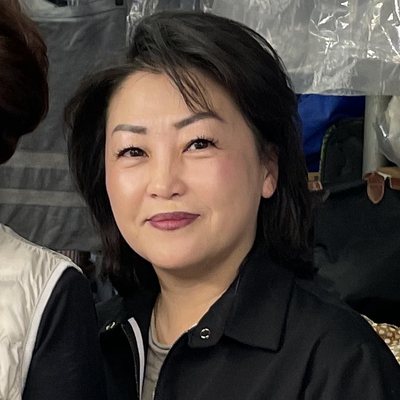
Julianna is the Secretary of the Professional Wetcleaners Association and co-owner of Press On Cleaners, the first and only Green Business Certified dry cleaner in the 21 cities of San Mateo County. Since converting to professional wetcleaning in 2008, Press On Cleaners has grown its sales revenue by 400 percent. In October 2009 she wrote an article for the San Mateo Daily Journal titled “What is Green Dry Cleaning?” She has been an entrepreneur since 2007.
Member shops
Every member shop is 100% dedicated to professional wetcleaning. No chemical solvents.
Rancho Cucamonga, CA
Riverside, CA
Placentia, CA
Petaluma, CA
San Francisco, CA
Plant in Sausalito, CA
San Francisco, CA
These are the members who have agreed to be listed. Many more member shops across California choose to stay private. We never share a member’s name without their permission.
Demonstrations are by written appointment only. Every visit is arranged through the PWC Association and confirmed in writing before you go. Please do not visit a member shop without a written appointment.
Member shops are working businesses. Many run their machines very early in the morning and finish before midday, so a demonstration is scheduled during the hours the equipment is actually running. A visit later in the day may find the machines already off.
Training sessions are paid. Hands-on training takes a working operator away from their own production, so the operators who train you are compensated for their time. The training course and fee are agreed in writing, together with the appointment, before training begins.
To request a demonstration or training, email support@professionalwetcleaners.org with your name, your shop and the dates that work for you. For questions, call 213-800-2918.
Contact
Whether you have questions, want to become a member or explore a partnership, we are here to help. We will look at your equipment and utilities and tell you plainly what a switch would take.